Private vs group lessons for kids: which is better?
ORYN Team10 min read
Southern California
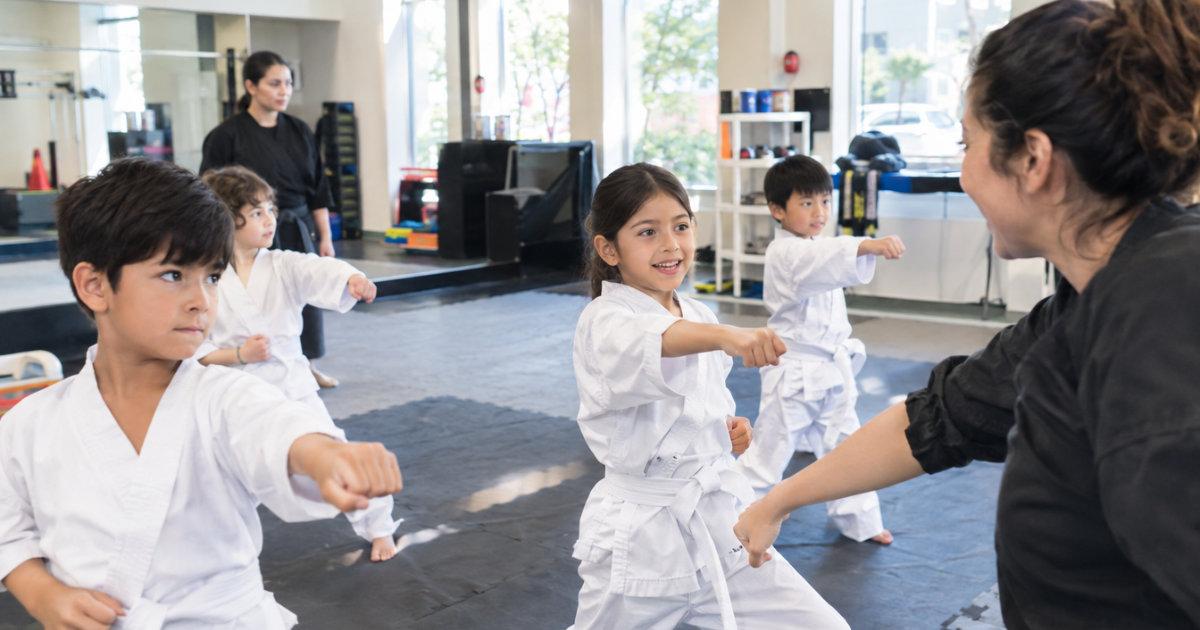
Private lessons suit kids who need one-on-one pacing, focused attention, or a confidence boost before joining peers; group lessons suit kids who learn by watching others, thrive on social energy, or are still sampling what they like. In Los Angeles, group classes are usually the gentler starting point. Age and temperament decide most of it.
How private and group lessons work on ORYN Quest
ORYN Quest is a marketplace: independent local vendors list their classes, and families browse and book them on orynquest.com or the ORYN Quest family app, on iOS and Android. What a lesson looks like, solo or alongside other kids, is set by the vendor in each listing. Open a listing and you'll see its credit price per seat, its length, its age range, and its upcoming sessions with open seats before you confirm anything.
Booking either way works the same. Open a listing, pick a session, choose which child is coming, and confirm. Credits come off your balance. If you have a monthly membership (Play, Plus, Pro, or Premium), unused credits roll over and stack on top of each month's new credits, so a quieter month doesn't waste anything. When you book the same session for two or more of your children at once, each child after the first gets 10% off, paid by ORYN. That makes group classes especially kind to families with multiple kids.
Some studios list the support they offer. That's the studio's own description, so message them before you book and ask what it means for your child. You can message any listed vendor directly through the app, before you spend a credit.
Music lessons in LA: private vs group pricing snapshot
Music is where the private-vs-group question comes up most, so here is what the LA market actually looks like as of October 2026.
On the private side, Abramyan Music Academy offers 30-minute Private Piano Lessons in Glendale, for ages 5 through adult, in person or online. Off-platform, LA families shopping private piano typically see monthly billing at local schools for weekly 30-minute slots, while online-only teachers often charge per lesson with no contract. For a full breakdown of what drives those numbers, see our guide to how much kids' piano lessons cost in LA.
On the group side, MUSYCA Children's Choir's KinderChoir in West Hills is a 45-minute weekly choir for ages 5 to 7, starting in January 2027. A young singer standing in a semicircle of peers learns pitch, turn-taking, and stage nerve all at once, which no private room can replicate.
Here is the honest pricing comparison across the two formats. Private instruction buys you tailored pacing and the teacher's full attention, and it costs accordingly: one child, one adult, the whole half hour. Group instruction splits the teacher across the room, so it costs less per child, and what you give up in individual correction you often gain in motivation, because kids practice more when friends are practicing too. For a first year of music, the group route usually stretches the same budget across more weeks of class.
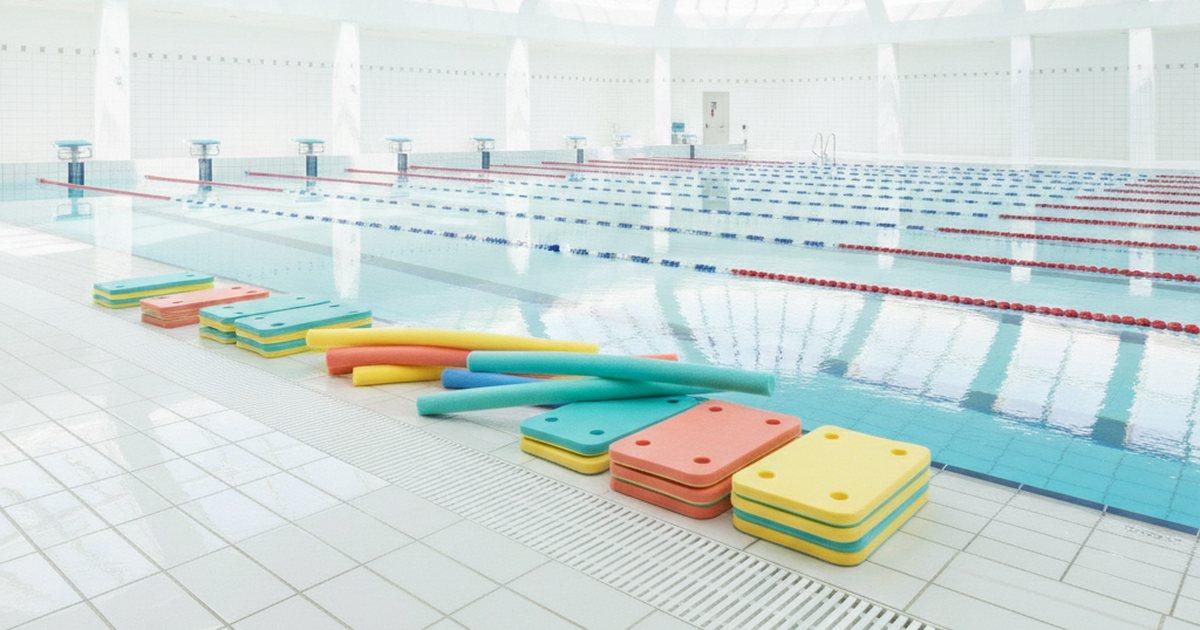
Swim sits at the other end of the spectrum, and its logic differs. Private swim lessons mean your child gets the instructor's undivided attention in the water, which matters for safety skills and nervous beginners. Group swim lessons mean more kids, more waiting on the wall, but also watching other children try, which speeds up water confidence for many kids. The CDC's drowning prevention guidance says formal swimming lessons can reduce the risk of drowning, and our own piece on what age kids should start swim lessons covers when to begin. The right format depends on your child's comfort in water more than anything else. Nothing bookable for swim is listed on ORYN Quest today, so for swim specifically you'll be comparing neighborhood pools and programs on your own.
Age and temperament: a simple rule of thumb
A useful rule: the younger the child, the more the group setting does the teaching.
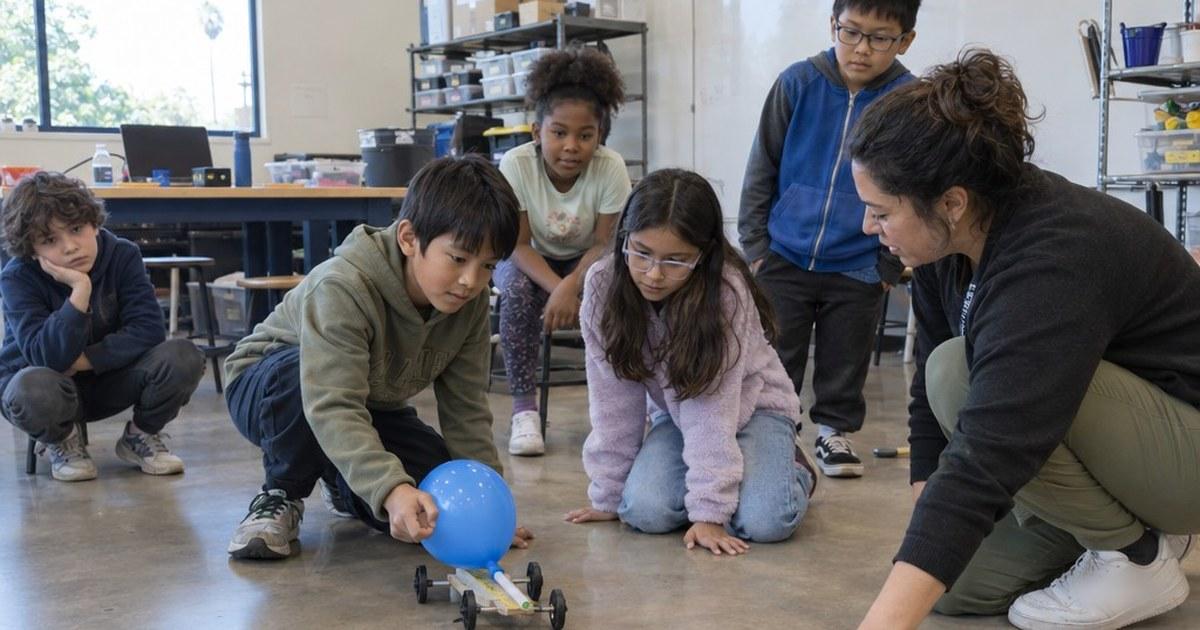
Ages 3 to 6 learn largely by imitation and play. They watch a peer try, then try themselves. A group music class with singing, movement, and other kids suits this stage far better than a solo bench. Private 30-minute lessons at this age often outrun a preschooler's attention span anyway. The American Academy of Pediatrics' Power of Play page says play helps build social-emotional, cognitive, language and self-regulation skills, which is why playful classes with other kids fit this age. On ORYN, group listings for this age today include Circus Bingus's Parent & Me Circus in Pasadena (60 minutes, ages 3 to 5, with a parent or guardian joining) and Stage One Dance Studio's Combo Class in Brea (60 minutes, ages 3 to 5).
Ages 6 to 9 are the swing zone, and shyness is the deciding variable. Try this rule:
- Shy in groups, fine one-on-one with an adult: start private. The child builds skill and comfort without peers watching, then joins a group in 3 to 6 months already holding a base of skill, skipping the scary beginner phase in front of an audience.
- Fine in groups, squirmy under a solo spotlight: start group. Some kids find a half hour of an adult's undivided attention more intense than any peer setting, and they'll drag their feet to every private lesson.
- Genuinely anxious both ways: start with the lowest-stakes format available, whichever it is, and message the vendor first to describe your child and ask what they'd suggest.
Ages 10 and up benefit from private instruction when they have a specific goal: an audition, a recital, a solo, catching up after a slow start. Without a goal, group classes keep music social, which is what keeps tweens in it. If your 11-year-old says kids' classes feel babyish, our guide to classes for 10 to 13 year olds in LA has age-appropriate options.
One more temperament flag: kids who need extra support. Note your child's support needs on their profile, and the teacher sees what you choose to share before the first class. A private lesson can lower the sensory and social load considerably; a small, calm group can build tolerance for peers. Message the vendor and ask which they'd recommend for your child specifically.
When to switch from group to private (or mix both)
Nothing about this choice is permanent, and mixed schedules are common:
- Start group, add private later. Many piano families do a year of choir or group music, then add weekly private lessons around age 7 or 8 once the child knows they like it. This is the low-commitment path to finding out whether the interest holds. Before you load the week up, our piece on how many activities is too many can help you keep the calendar calm.
- Start private, graduate to group. The shy-child path above: solo lessons first, peers second.
- Run both at once. A private piano lesson plus a weekly group class gives focused skill-building plus the social side, and credits work across every category on ORYN, so one membership covers both. If you're curious how that compares with other booking approaches, read our explanation of what LA parents use instead of ClassPass for kids.
A practical budget note: if a lesson needs a skip, cancel more than 48 hours before on ORYN Quest and you get 100% of your credits back; 24 to 48 hours before, 50%; under 24 hours, none. Moving a booking to another session of the same listing is free while the class is more than 48 hours away. The exact credits are shown before you confirm.
Using Lanti to find the right fit
Lanti, our assistant, works by typing or voice in the app and on the website. Say something like "find a piano lesson for my 6-year-old in Glendale" and Lanti pulls up matching listings; you then open the listing, pick a session, and tap Confirm. Lanti never books on its own: every booking waits for your tap.
You can also ask Lanti to open the Explore filters, message a vendor, join a waitlist, or check your credits. It searches by category and place rather than by day or time, so plan to open a listing to see its sessions.
One more thing worth checking before you commit anywhere: a small number of listings carry a "Free trial" badge, offered by the studio itself, one free trial class per child in total across all studios, with no credits or payment card needed. As of November 2026, a track and field class in Arcadia shows the badge; check whether any music listing near you carries it on the day you browse. If a trial is available on a class your child is curious about, it's the cheapest possible answer to the private-vs-group question: let the kid tell you.
Find classes, camps and lessons near you on Explore.
Questions parents ask
- Private vs Group Lessons: Which is Better for My Child?
There is no universal winner; it depends on age, temperament, and goal. As a starting point: ages 3 to 6 do better in groups, ages 6 to 9 depend on how the child handles attention and comparison, and ages 10 and up with a specific goal benefit from private instruction. Many families mix both, using a group class for the social side and a private lesson for skill.
- Which is better for a child: private music lessons or group lessons?
For beginners under 7, group music classes usually win on attention span and fun. Private lessons become the better choice once a child shows sustained interest and is ready for individual pacing, typically ages 7 to 8 and up. In LA, private piano ranges from per-lesson online rates to monthly billing at local schools, while group options like MUSYCA's KinderChoir in West Hills give young kids the peer experience first.
- Private vs Group Tennis Lessons: What's Best for Kids?
Group lessons work well for beginners ages 4 to 8, who enjoy games with peers and pick up fundamentals through play. Private lessons suit kids refining technique, preparing for competition, or who lose focus in groups. The same age-and-shyness rule from music applies: the deciding factor is whether your child does better with an adult's full attention or with peers to copy.
- Do private lessons help a shy child?
Often, yes. A shy child can build skill and comfort one-on-one without the pressure of peers watching, then transition into a group class with confidence. That said, some shy kids find a solo lesson with an unfamiliar adult more intense than a small group. Message the vendor before booking, describe your child, and ask which format they'd suggest.
- Can I try a class before committing to private or group?
On ORYN Quest, a free trial is available only on a class that shows a "Free trial" badge, when the studio chooses to offer one. It's one free trial class per child in total, at any studio that offers one, with a free account and no credits needed. Cancel before the session starts if you can't come, because a missed trial counts as the child's trial. Beyond trials, cancellations more than 48 hours ahead return 100% of credits, so a single booking is a low-risk test.
If you're weighing a specific pair of listings, open both, compare credit prices per seat and session lengths side by side, and message each vendor with one question about your child before you book. You can start at orynquest.com/explore and narrow by your child's age and category, or ask Lanti to pull up lessons near you.
Get ORYN news by email
An occasional email about new classes and events. We'll send a link to confirm first.
Every email has a one-click unsubscribe link.
About ORYN Quest. ORYN Quest is a credit-based marketplace for children's activities: parents pick a monthly plan and book real classes and lessons from local vendors. Vendor earnings and any fees follow the applicable participation agreement and fee schedule. Southern California today. Questions: support@orynquest.com.